


Ama wakes up before sunrise, preparing for another day at school. Like many girls her age, she carries dreams of a better future. One filled with education, opportunity, and independence. But today is different. Today, she is on her period, and like many girls in underserved communities, she does not have access to sanitary pads. What should be a normal school day quickly becomes a day filled with anxiety, discomfort, and difficult choices.
Instead of getting ready with confidence, Ama searches for unsafe alternatives: pieces of cloth, tissue, anything she can use to manage her flow. These options are unreliable and unhygienic, exposing her to health risks and constant fear. As she wears her school uniform, one thought stays in her mind: what if she stains her clothes in class? That fear alone is enough to affect how she walks, sits, and interacts with others.
A Classroom Filled with Fear
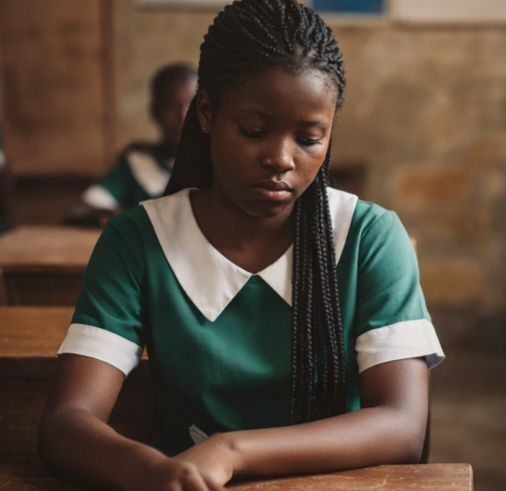
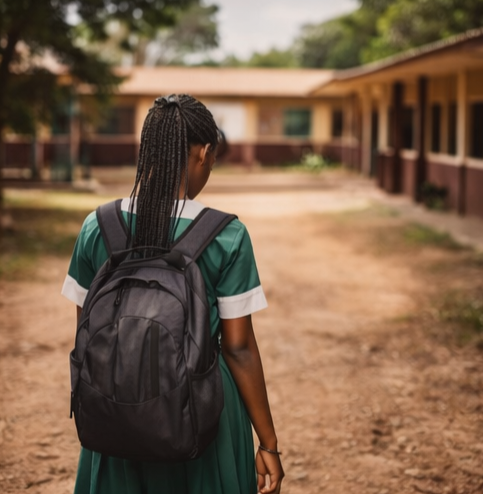
At school, Ama struggles to focus. While the teacher explains the lesson, her attention is divided between learning and managing her discomfort. She avoids raising her hand, avoids standing, and avoids drawing attention to herself. The confidence she once had begins to fade, replaced by silence and anxiety. Eventually, the fear becomes overwhelming, and she quietly asks to leave school early, missing yet another day of learning.
The Hidden Cost of Missing School
Ama’s experience reflects the reality of many girls. Missing a few days of school every month may seem small, but over time, it adds up. Girls fall behind academically, lose confidence, and in some cases, drop out completely. Period poverty is not just a health issue; it is a major barrier to education, limiting opportunities and reinforcing inequality.
Health, Dignity, and Equality
Using unsafe materials can lead to infections and long-term health complications. But beyond physical health, there is a deeper issue, dignity. No girl should have to feel ashamed or excluded because of a natural biological process. Access to menstrual care is not a luxury; it is a basic need that directly impacts well-being, confidence, and participation in everyday life.
“Sometimes I stay home because I am afraid I will stain my uniform. I don’t want anyone to laugh at me.” -Ama
A Different Future is Possible
Now imagine a different experience. Ama walks into school knowing she has access to safe menstrual products whenever she needs them. She feels confident, participates in class, and stays for the entire school day. This simple change creates a powerful ripple effect, improving her education, protecting her health, and restoring her confidence.
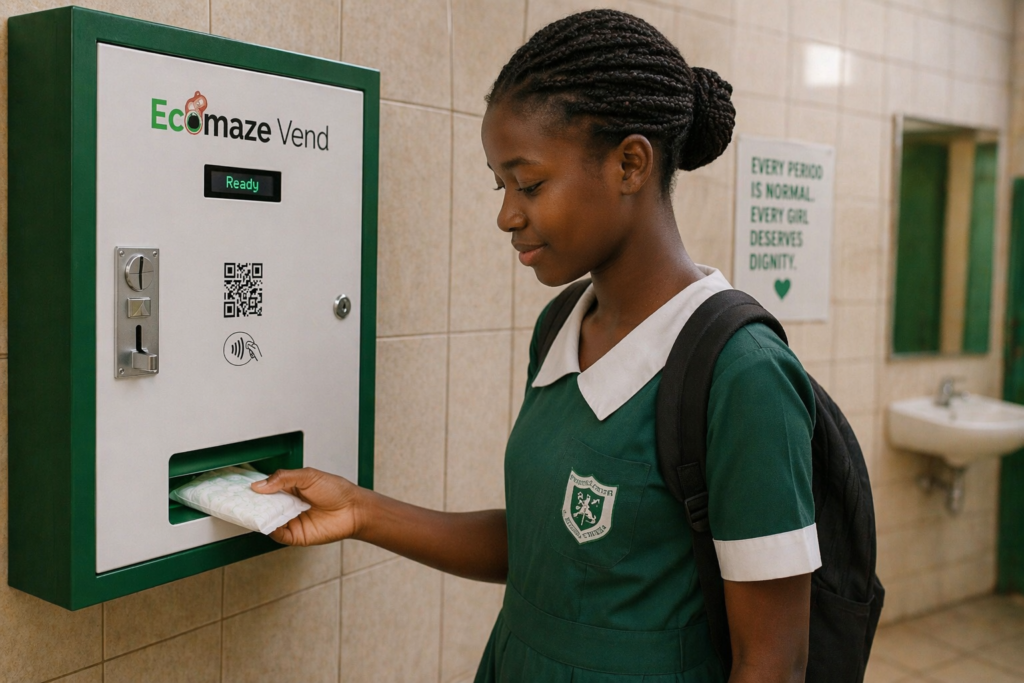
At Ecomaze Solutions, we are working to make this reality possible through smart, accessible systems that bring menstrual care directly into schools. By removing barriers to access, we are helping girls stay in school, achieve their full potential, and live with dignity. Ending period poverty is not just about providing products, it is about creating equal opportunities for every girl.
