

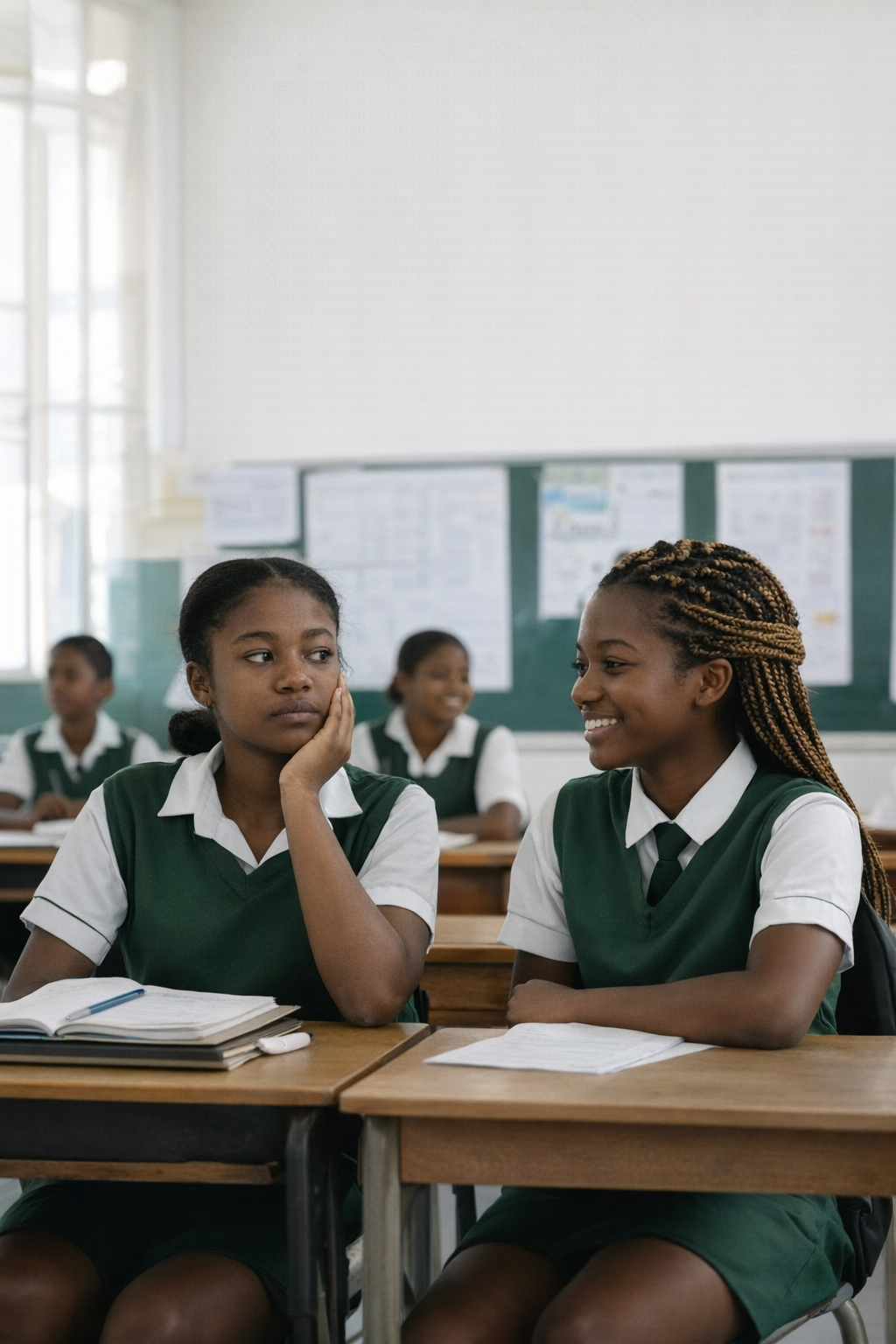
In many schools across developing communities, access to menstrual care remains a daily challenge for girls. What should be a normal biological process becomes a barrier to education, confidence, and participation. Without access to affordable sanitary products, many girls are forced to stay home during their periods, missing valuable learning time and falling behind academically.
the stigma and embarrassment factor
The situation is often worsened by limited school support systems and the lack of private, safe access to menstrual products. Some girls rely on improvised materials, while others endure discomfort in silence, afraid to ask for help due to stigma and embarrassment.
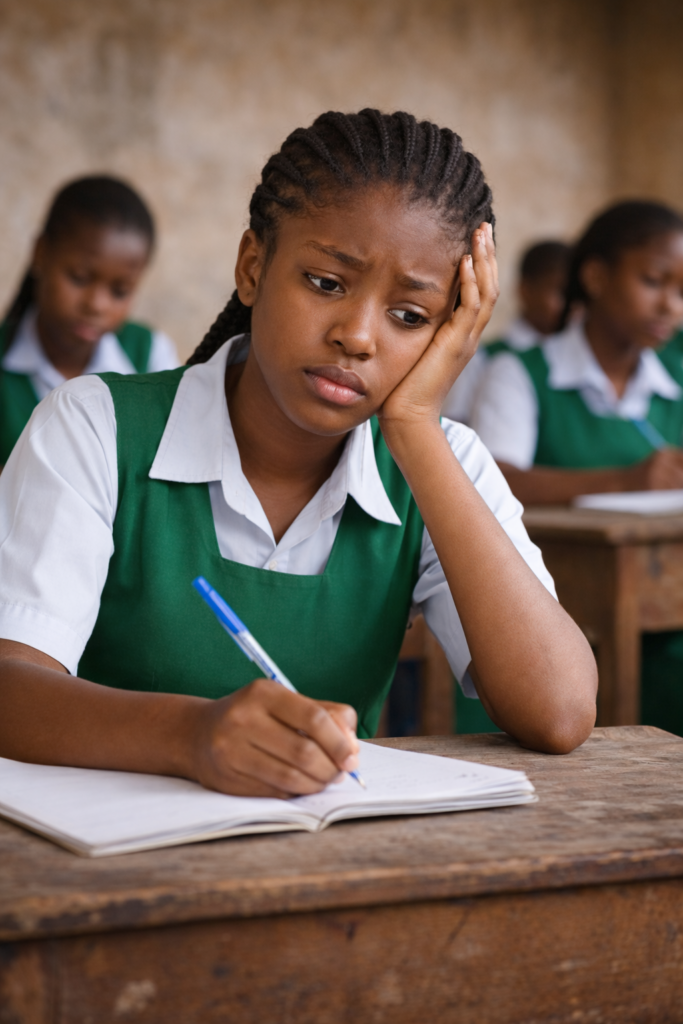
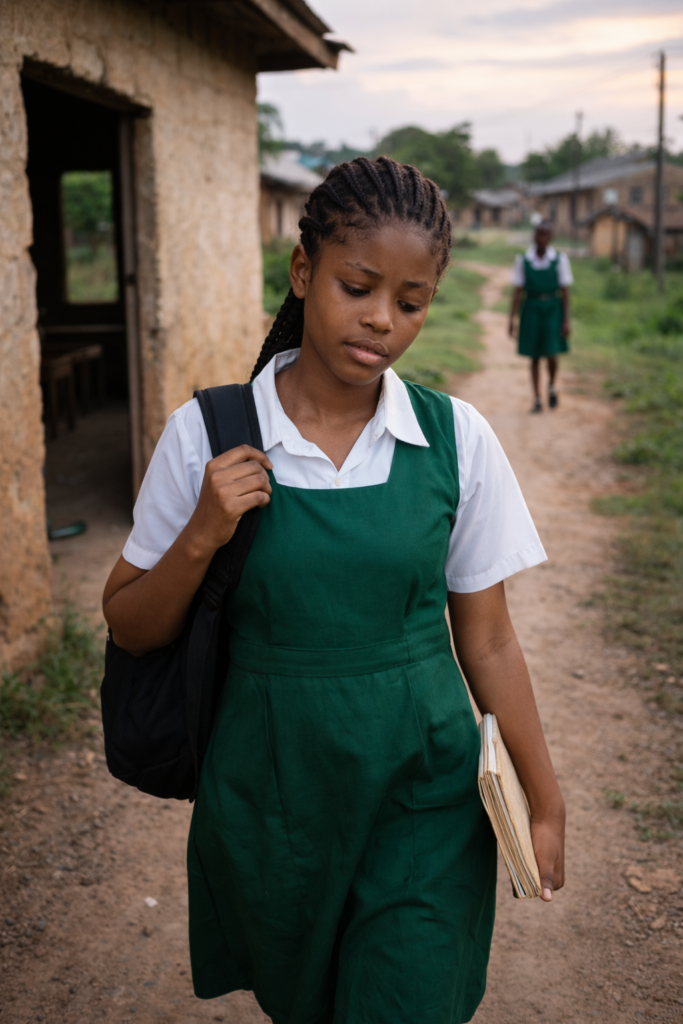
Even in schools where support exists, access is often inconsistent. Products may only be available occasionally, leaving girls uncertain about whether they will have what they need when the time comes.
Addressing menstrual health in schools is not just about providing products, it is about creating an environment where girls feel supported, confident, and able to fully participate in their education.
True impact begins with access where it matters most, directly within the school environment. When menstrual care is consistently available, private, and easy to access, girls can focus on their education without interruption. Ensuring access in schools is not just support, it is a foundation for equality, confidence, and opportunity.