


Menstrual health is a fundamental part of a girl’s well-being, yet for many, it remains one of the most overlooked challenges in their daily lives. For girls like Ama, managing their period is not just about hygiene, it is about dignity, confidence, and the ability to participate fully in school and society.
The Hidden Health Risks
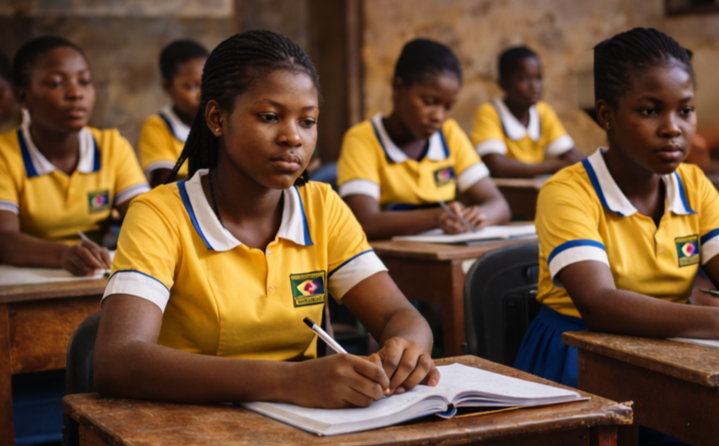
Without access to safe and reliable menstrual products, many girls are forced to rely on unsafe alternatives or miss school altogether. This increases the risk of infections, discomfort, and long-term health complications. Beyond the physical impact, the emotional toll is just as significant, feelings of shame, anxiety, and isolation often follow.
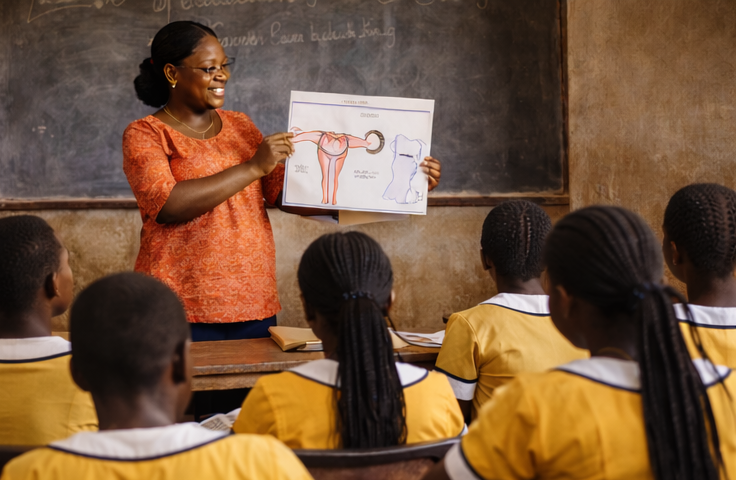
Breaking the Silence
In many communities, menstrual health is still surrounded by silence and stigma. This lack of open conversation prevents girls from getting the support and information they need, leaving them to navigate a natural process in uncertainty and fear. When silence persists, the problem grows.
A Public Health Priority
Ensuring proper menstrual health is not just a personal issue, it is a public health priority. When girls are supported with the right resources, education, and access, they are healthier, more confident, and better able to pursue their education without interruption.
When menstrual health is supported, everything changes. Girls can stay in school, focus in class, and participate without fear or embarrassment. What was once a barrier becomes a pathway one that leads to confidence, opportunity, and a better future.
“Access to safe menstrual care is essential to health, dignity, and equal opportunity for every girl.”
Menstrual health is a critical component of overall well-being, yet it remains a significant challenge for many girls, particularly in underserved communities. Limited access to safe menstrual products, inadequate sanitation facilities, and lack of proper education continue to create barriers that affect both health and daily life.
Without proper menstrual care, girls are at increased risk of infections, discomfort, and emotional distress. These challenges often lead to reduced participation in school and social activities, reinforcing cycles of inequality and limiting opportunities for growth and development.
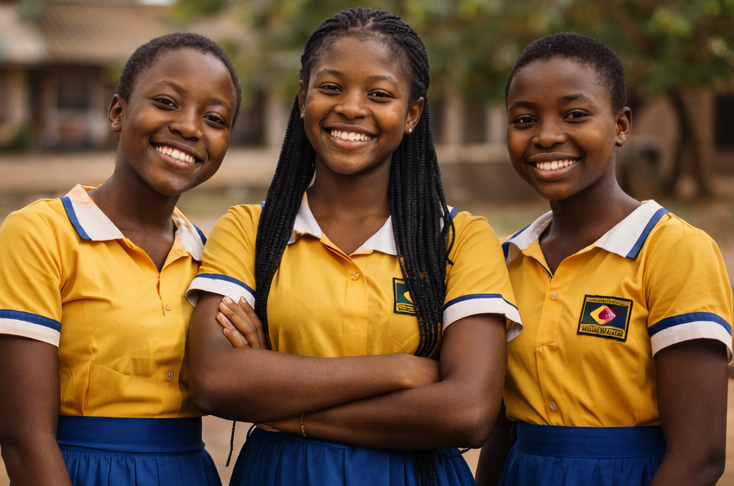
Addressing menstrual health requires more than awareness, it demands consistent access, supportive environments, and sustainable solutions. When these elements are in place, girls are able to manage their health with confidence, remain engaged in their education, and participate fully in society.
