

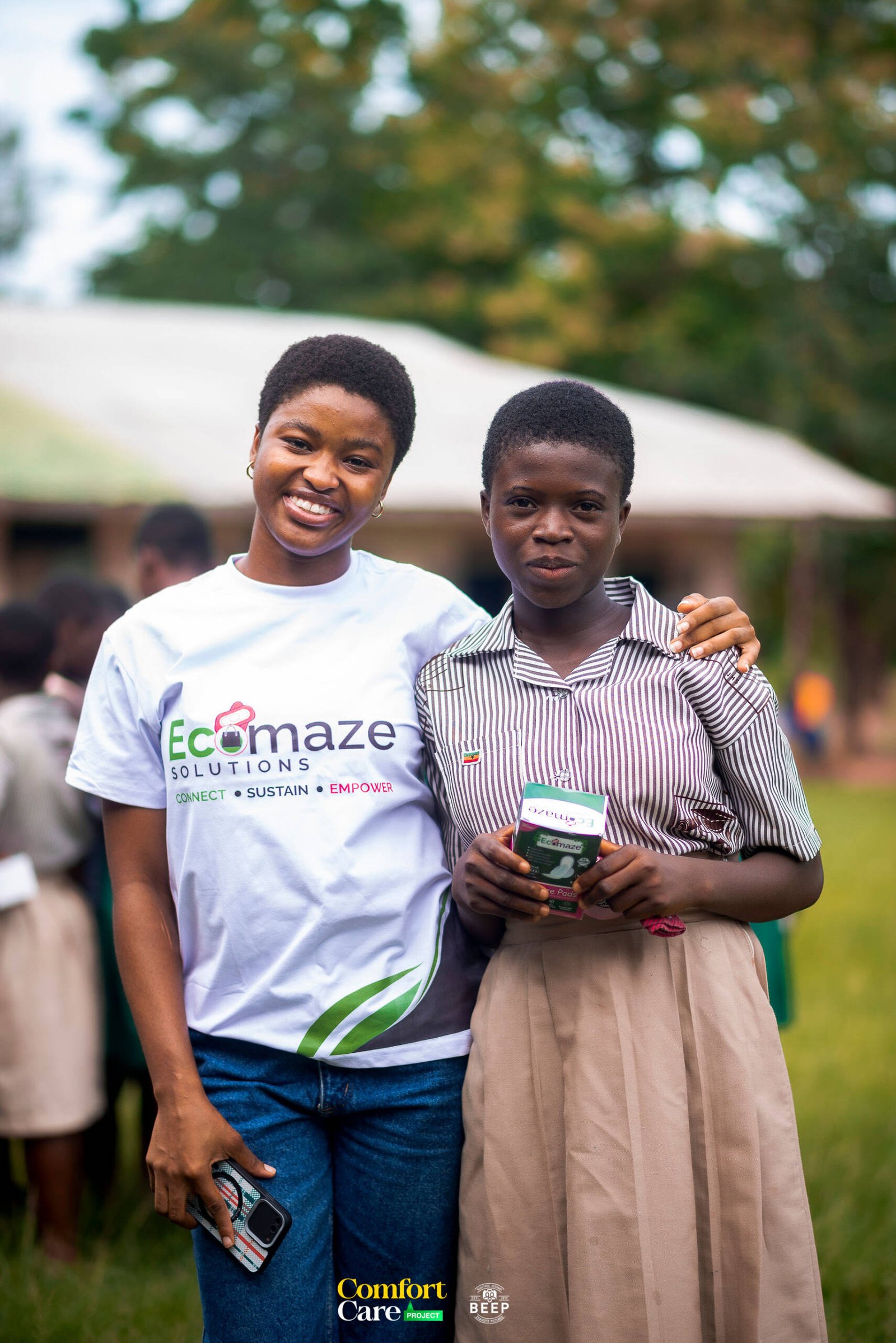
Beyond the classroom, many girls face even greater challenges accessing menstrual care within their communities. In rural and underserved areas, sanitary products are often unavailable, unaffordable, or located far from where girls live.
For many families, menstrual products are not prioritized due to financial constraints, leaving girls with limited or no options. As a result, they are forced to rely on unsafe alternatives or go without entirely.
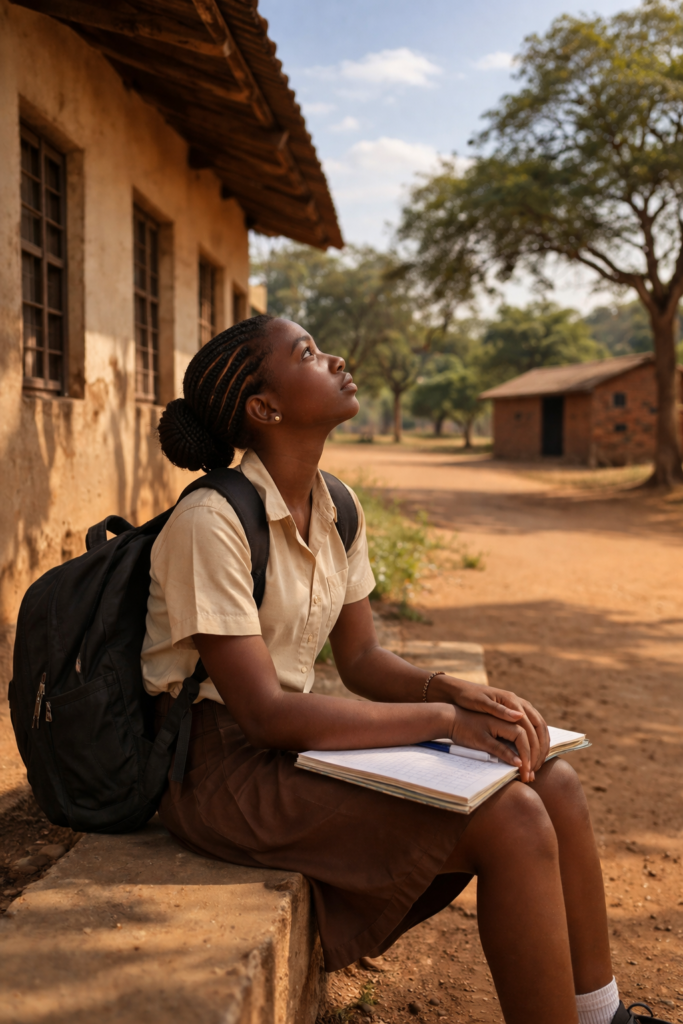
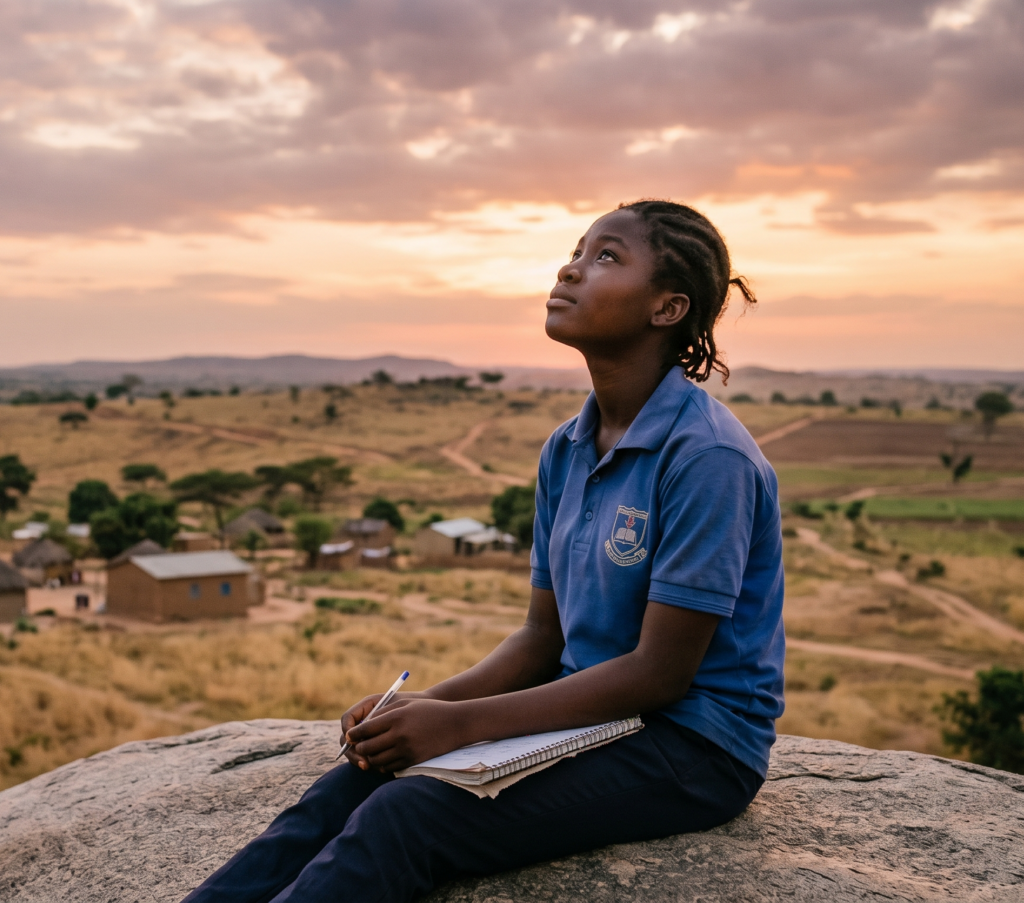
Access is further complicated by a lack of local distribution systems. Even when products exist in nearby towns or markets, distance, cost, and availability make them difficult to obtain regularly.
In many communities, cultural stigma also plays a significant role. Conversations around menstruation remain limited, making it harder for girls to seek help or access the support they need.
Expanding access beyond schools means reaching girls where they live, ensuring access where it matters most in their everyday environments. When menstrual care is available within communities, girls gain the freedom, dignity, and confidence to live, learn, and grow without limitation.