


Period poverty is more than just the lack of sanitary pads. It is a hidden crisis affecting millions of girls, especially in underserved communities, where access to basic menstrual care is limited or nonexistent.
For many girls, something as natural as menstruation becomes a monthly struggle, one that disrupts their education, affects their confidence, and limits their future opportunities.
WHAT IS PERIOD POVERTY?
Period poverty refers to the lack of access to menstrual products, proper hygiene facilities, menstrual health education, and safe disposal systems. It is not just about affordability, it is about access, dignity, and equality. Girls facing period poverty often resort to unsafe alternatives such as cloth, tissue, or other unhygienic materials, putting their health at serious risk.
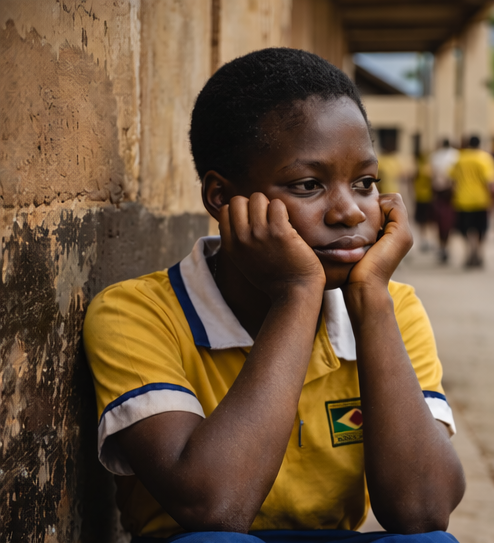
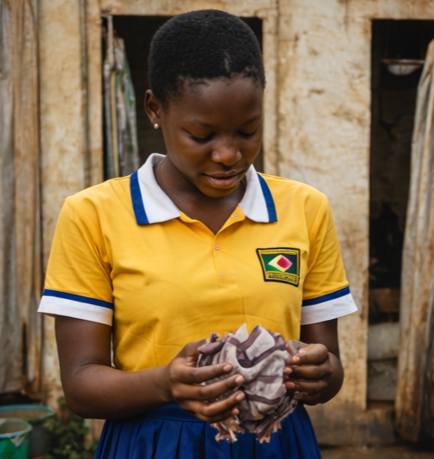
THE REALITY FOR MANY GIRLS
In many schools across rural and low-income communities:
- Sanitary pads are either unavailable or too expensive
- Washrooms lack privacy, water, or proper sanitation
- There is little to no menstrual health education
- Stigma and shame prevent open conversations
As a result, girls are forced to stay home during their periods, missing valuable days of school every month.
Over time, this leads to gaps in learning, poor academic performance, and in some cases, dropping out completely.
Menstrual health is not a privilege, it is a basic right. When we ensure access, we protect dignity, education, and the future of every girl.
WHY IT MATTERS
Period poverty is not just a health issue, it is deeply connected to multiple areas of development:
- Education: Girls miss school and fall behind
- Health: Poor hygiene increases risk of infections
- Gender Equality: Girls face barriers boys do not
- Confidence: Shame and stigma affect participation
- Opportunities: Long-term impact on future success
This is why addressing period poverty directly contributes to key global goals like Quality Education, Gender Equality, and Good Health & Well-being.
BREAKING THE CYCLE
Solving period poverty requires more than just providing products—it requires a system.
At Ecomaze, the approach is holistic:
- Providing reliable access to menstrual products in schools
- Installing smart access solutions (Ecomaze Vend) for easy and private access
- Promoting menstrual health education to remove stigma
- Supporting safe and sustainable hygiene practices
- Ensuring solutions reach underserved and rural communities
This approach ensures that girls are not only supported, but empowered.
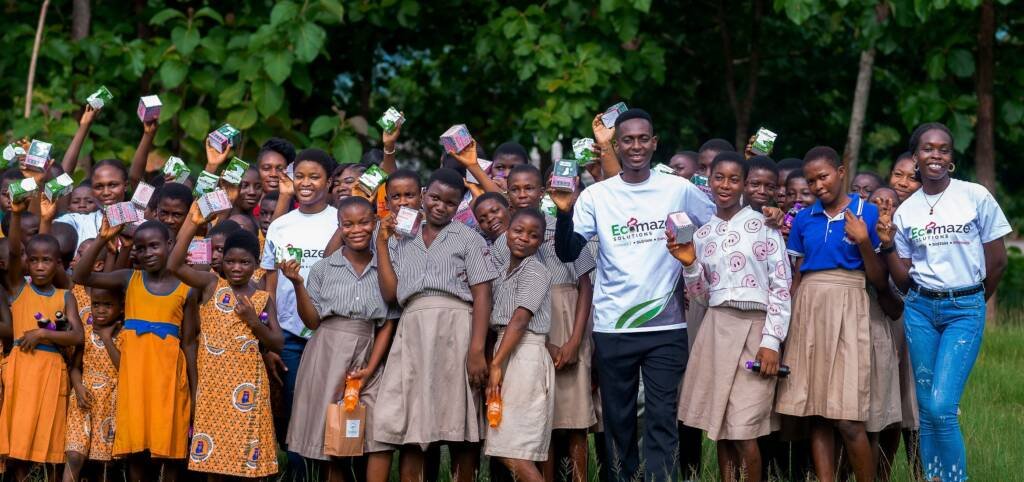
A FUTURE WITHOUT BARRIERS
Imagine a world where no girl has to choose between her education and her period. Where she can walk into school with confidence, participate fully, and focus on her dreams, not her limitations. That is the future we are building. Ending period poverty is not just about pads, it is about restoring dignity, unlocking potential, and creating equal opportunities for every girl.
