

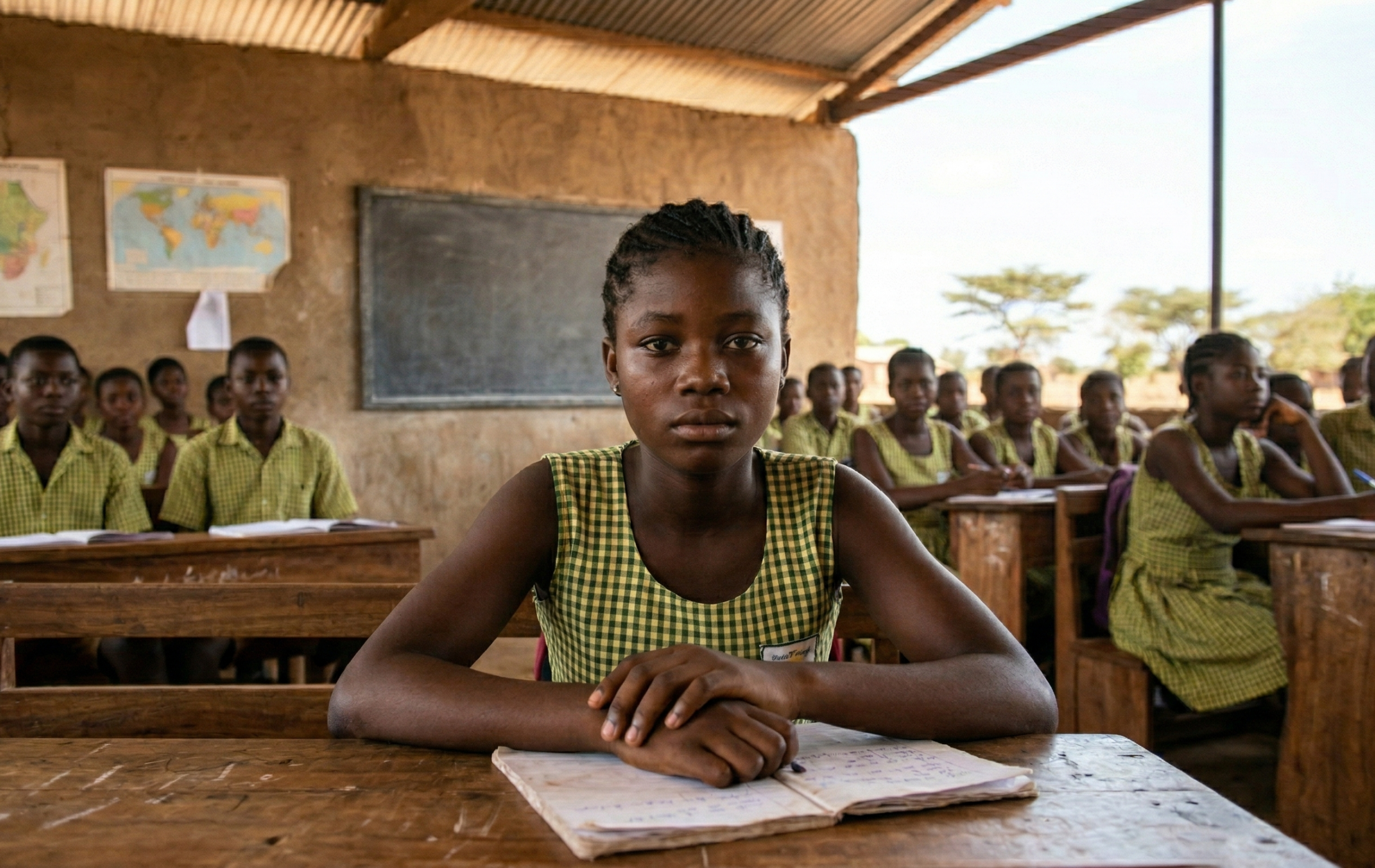
Every month, thousands of girls face a difficult choice, go to school and risk embarrassment, or stay home and miss their education. For many, menstruation is not just a natural part of life. It becomes a barrier to learning.
the situation has still not been solved
In schools across Ghana and many parts of Africa, access to sanitary products is limited or completely unavailable. When a girl starts her period unexpectedly, she often has no safe or reliable option. Some are forced to leave school immediately. Others do not attend at all during their menstrual cycle.
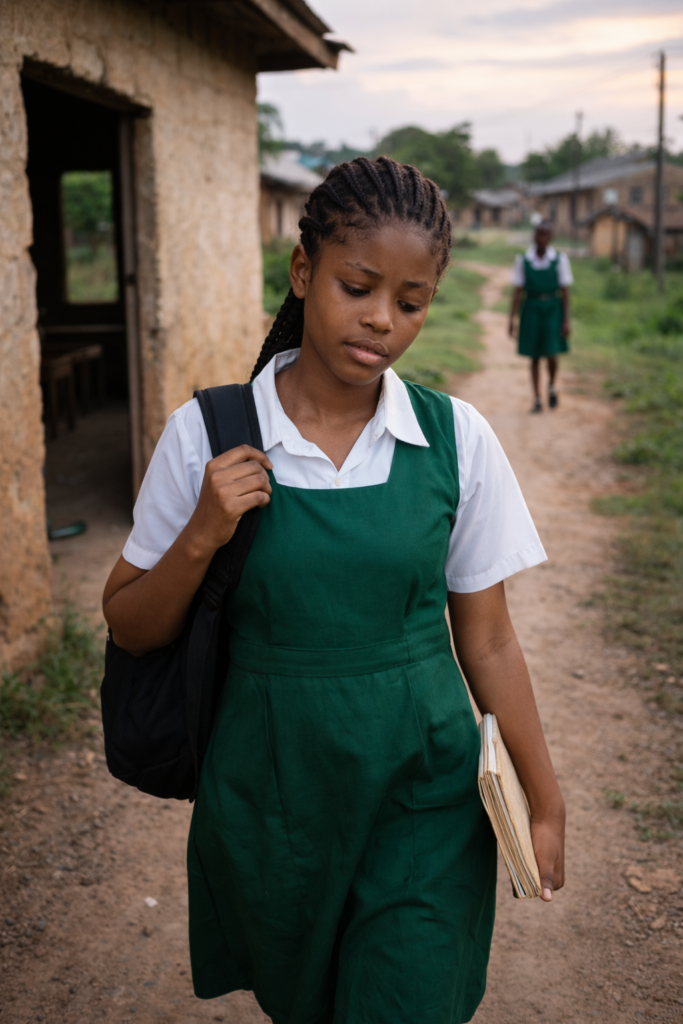
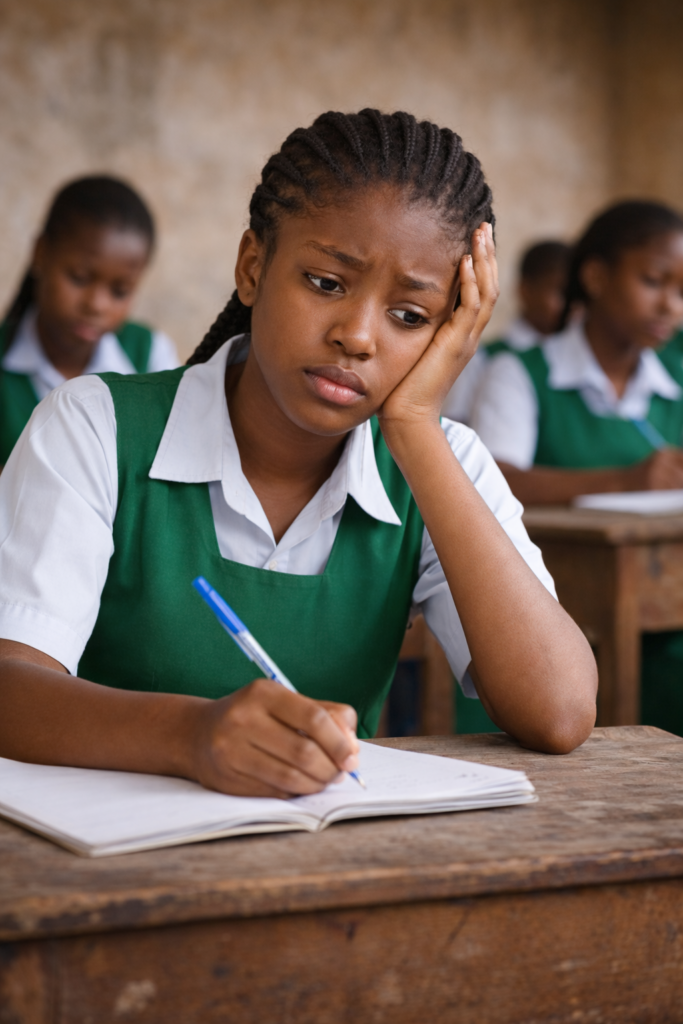
This leads to repeated absences, sometimes several days every month. Over time, these missed days add up, causing girls to fall behind in class, lose confidence, and in some cases, drop out entirely.
The impact goes beyond academics.
Missing school affects participation, self-esteem, and future opportunities. A girl who is consistently absent is less likely to perform well, less likely to complete her education, and more likely to face limited economic opportunities later in life.
What makes this even more painful is that it is preventable. Access to simple, affordable menstrual products could keep these girls in school, learning, and thriving.
Education is a right not something that should be interrupted by a lack of basic necessities. Yet for millions of girls, this is their reality every single month.